Fuel is the single largest variable cost for most fleet operators — often 25-35% of total operating expense. Even small inefficiencies across dozens of vehicles add up fast. The good news: modern telematics and AI-driven analytics have made it possible to squeeze 15-25% out of that line item with almost no capital outlay.
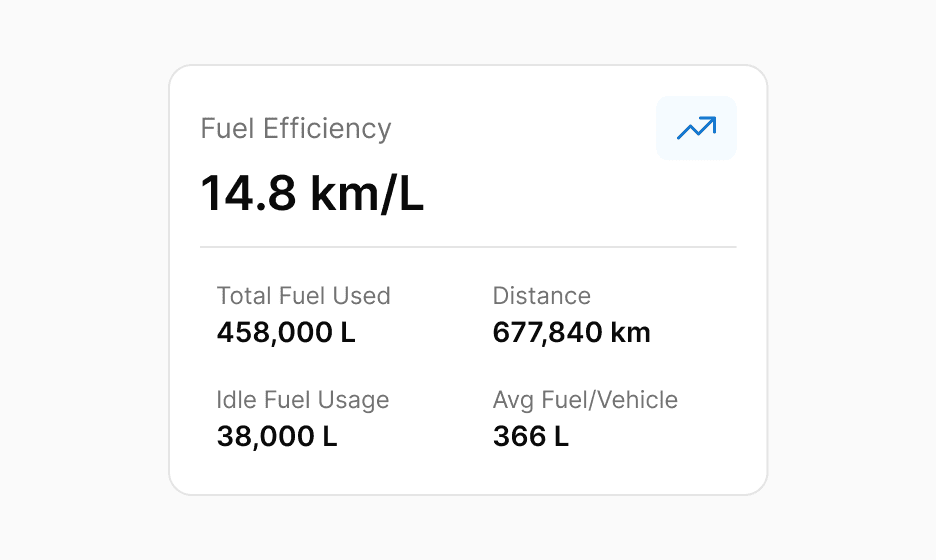
1. Install fuel level sensors on every vehicle. This gives you a continuous feed of actual fuel-in-tank, which — combined with GPS distance — yields a true km/L figure. You'll immediately see which vehicles are burning 20% more than their twin on the same route.
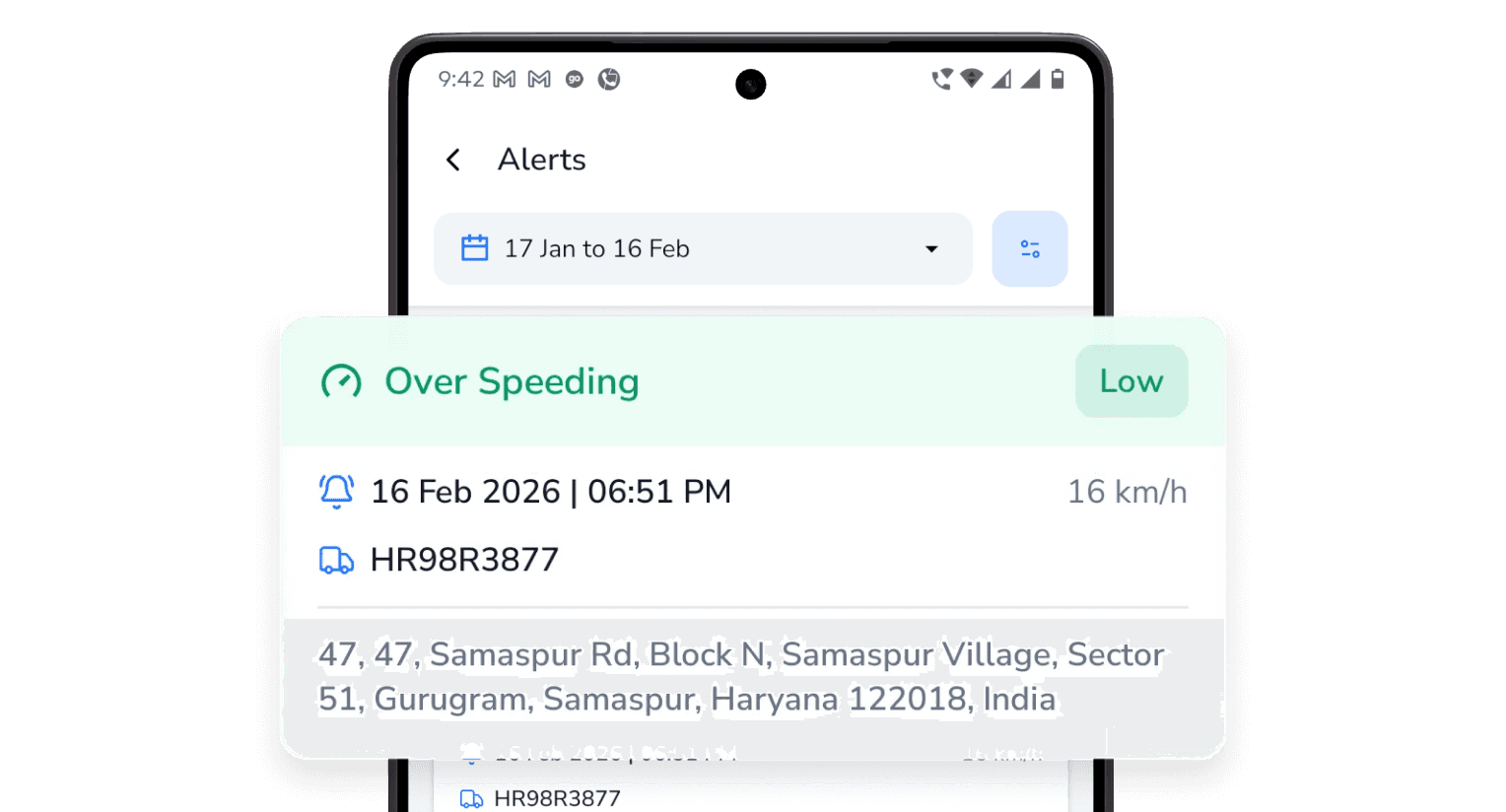
2. Set up theft alerts on sudden drops. Sensors can fire a push notification the moment fuel level drops outside of a normal consumption curve. Most operators report recovering the cost of the sensor within three months just from stopping siphoning.
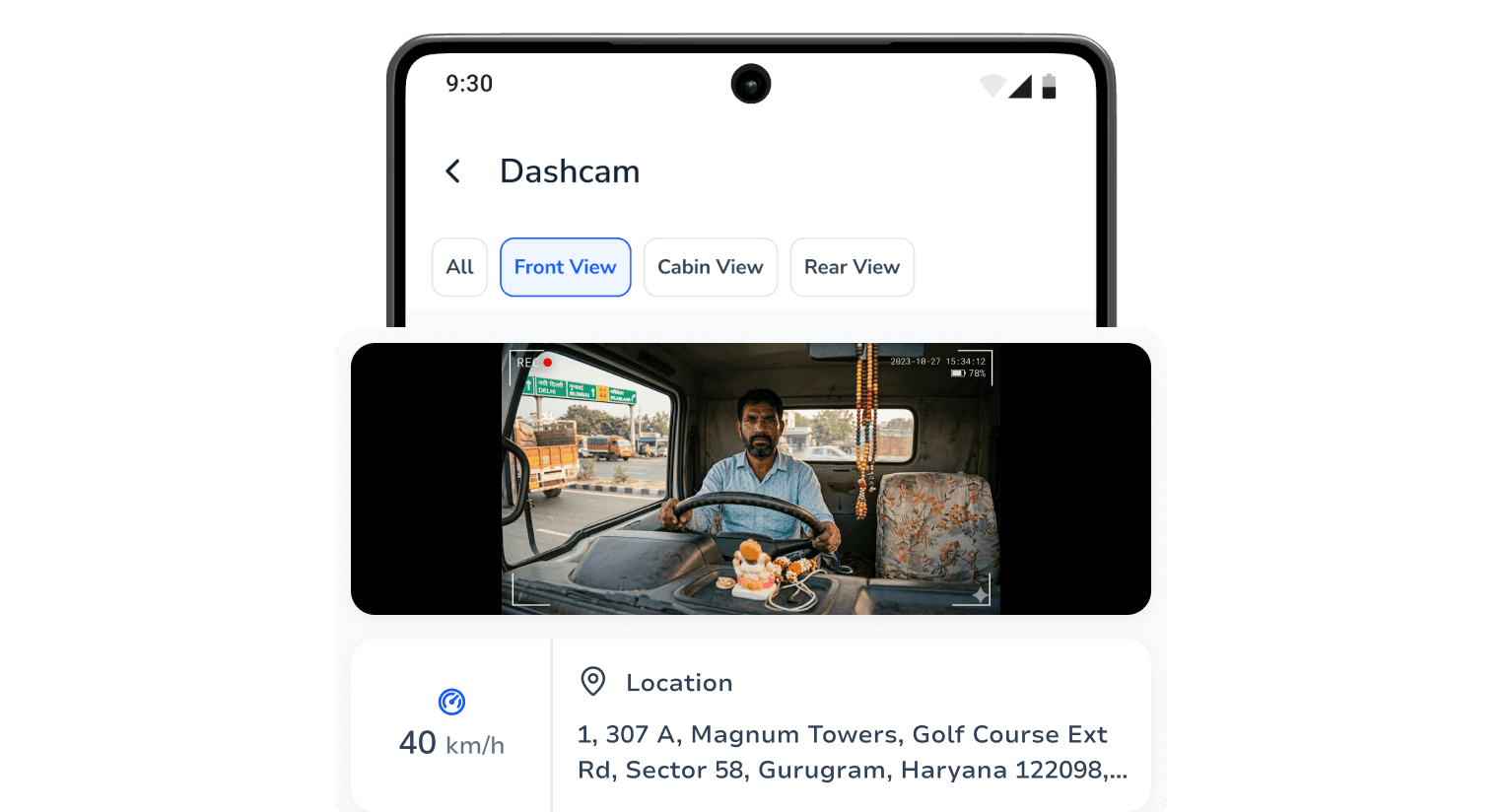
3. Coach drivers on acceleration and idling. A typical fleet has one or two drivers idling 2+ hours a day. Dashboards that rank drivers by fuel efficiency turn that into a visible, improvable metric.
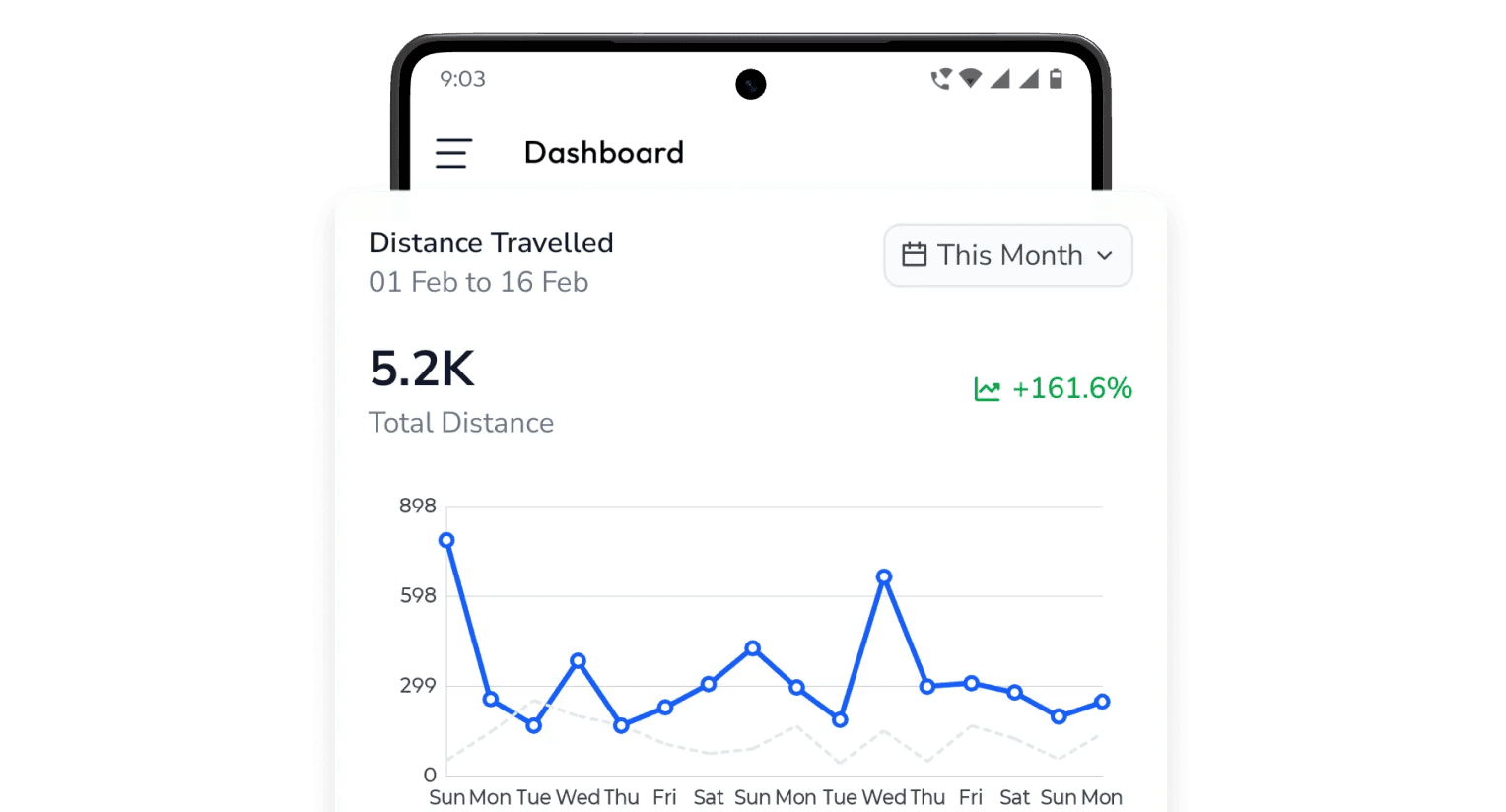
4. Route smarter. Pair your GPS data with real-time traffic feeds to auto-suggest alternate routes. Even a 5% distance reduction compounds across a year.
5. Audit refueling patterns. Cross-reference fuel bills with sensor data. Any gap is either a leak, a theft, or a billing error — all worth investigating.