Geofencing is one of those features that sounds simple — draw a circle around a location, get notified when a vehicle enters or leaves — but the operational leverage is significant once you use it well.
Start with your depots. Auto-stamping every entry and exit gives you clean shift-start and shift-end data without relying on driver self-reporting. Combined with odometer readings, you have an auditable timeline for every route.
Next, customer locations. For distribution fleets, a geofence around each customer site turns arrival-time reporting into a one-click event. Pair it with a driver mobile prompt ('confirm delivery?') and you've built a lightweight proof-of-delivery system with no extra hardware.
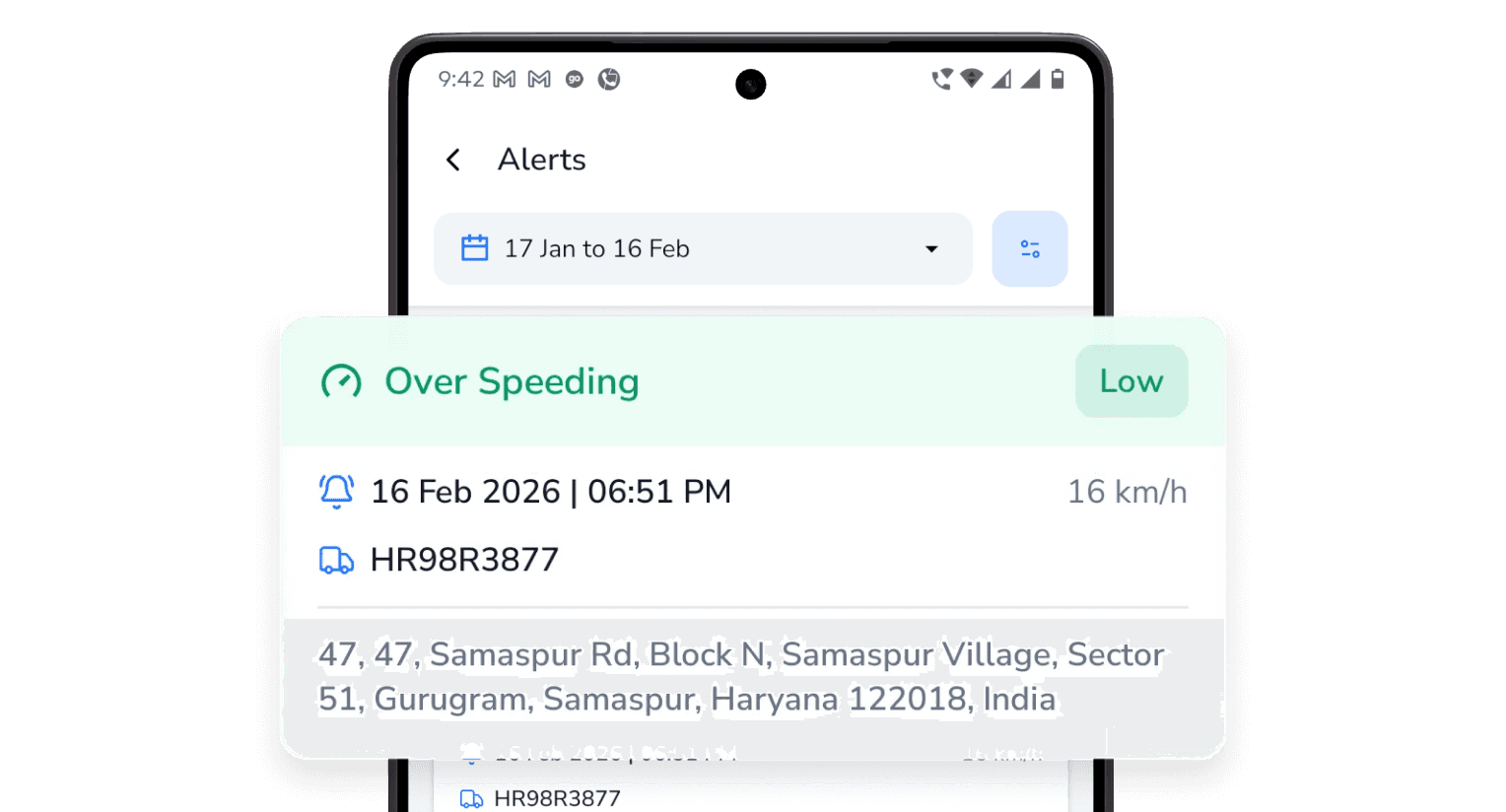
Restricted zones — no-go areas, accident-prone stretches, or high-theft neighborhoods — are the third use case. Firing an alert when a vehicle enters an off-route zone is often the first signal of a planned theft or an unauthorized trip.
The common mistake is drawing fences too tight. GPS has natural drift of 2-5 meters, so a 50-meter radius is a much better starting point than a 10-meter one. You can always tighten it after a week of observation.