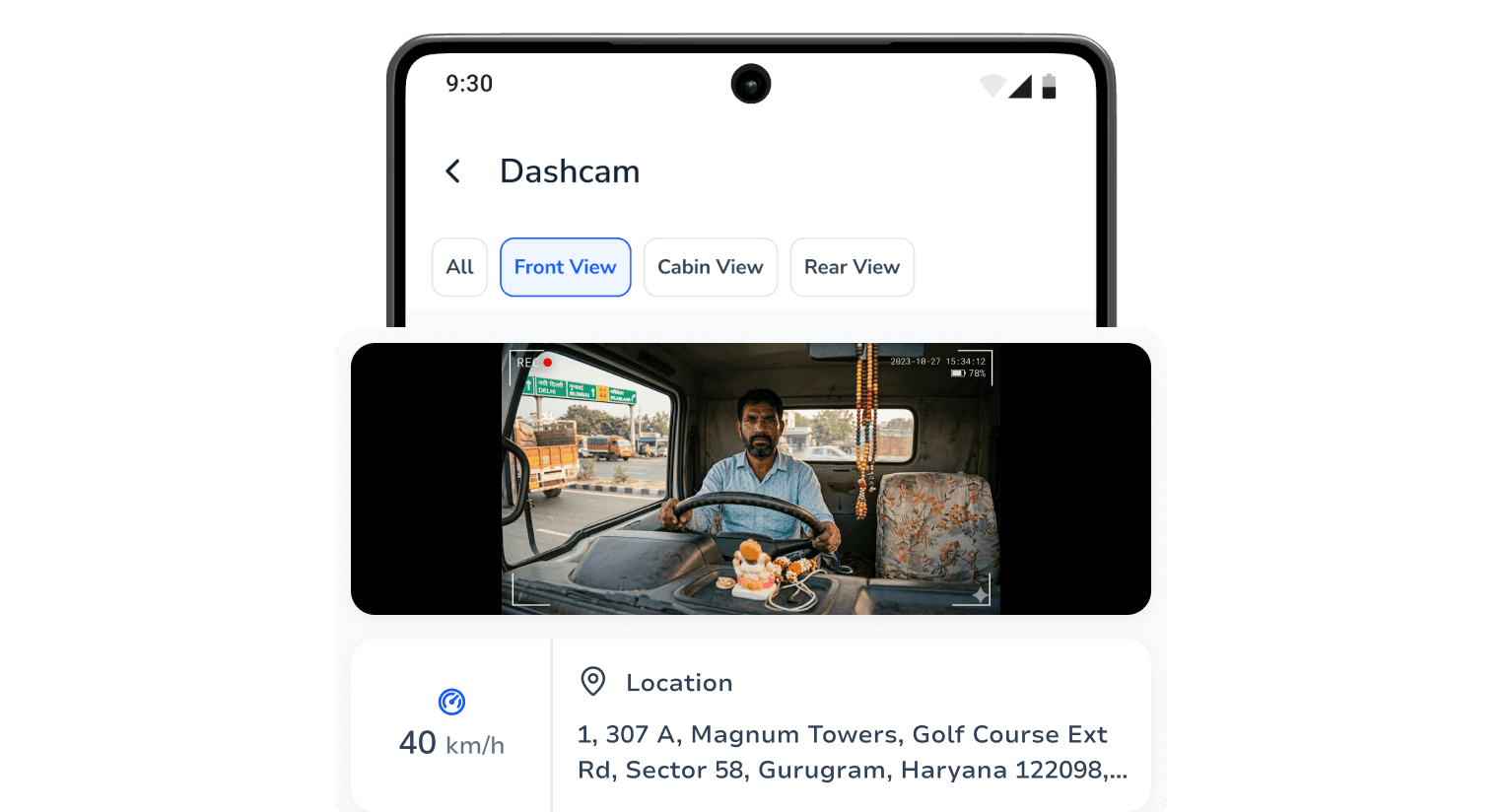
AI dashcams have quietly become the fastest-growing category in commercial fleet tech. The shift isn't surprising — modern cameras run computer vision models on the edge, flagging unsafe behaviors in real time instead of leaving you with after-the-fact footage.
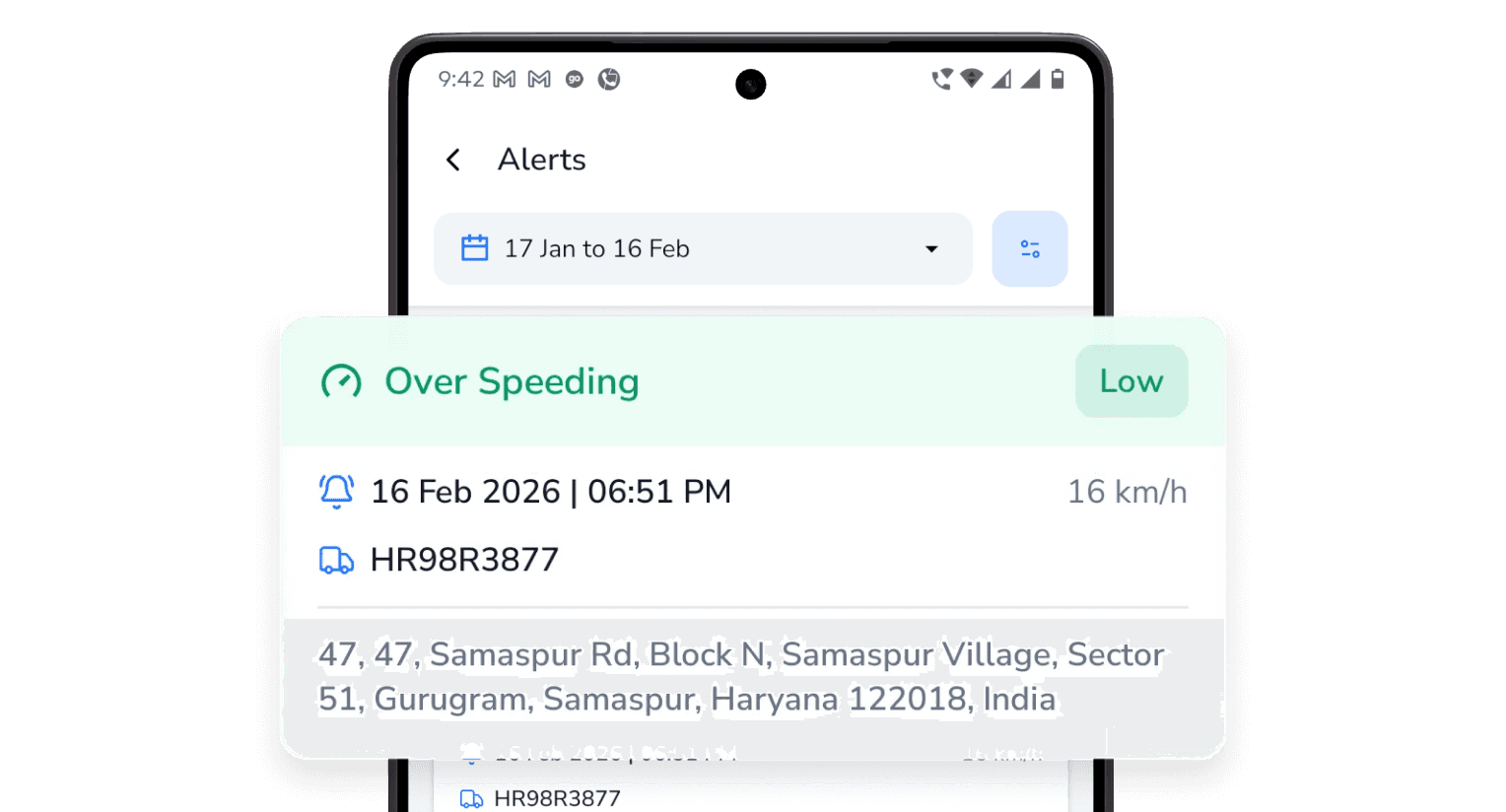
The detection list has expanded dramatically over the past two years: drowsiness, phone usage, smoking, forward collision risk, lane drift, and harsh-event classification all run natively on the device. What used to require a human reviewer watching recordings now fires as a push notification the moment it happens.
The measurable impact: operators who pair AI dashcams with a driver coaching program see 30-50% fewer collisions within 12 months. Insurance premiums often drop on renewal. And the video evidence dramatically simplifies post-incident fault determination — which in jurisdictions like India can be the difference between recovering costs and eating them.
The operational flow worth adopting: weekly review sessions where the top 3 flagged drivers sit down with a supervisor, watch their own clips, and agree on a correction. This is far more effective than punitive systems.